
Key Takeaways
- Set clear business and project goals so everyone understands priorities, expectations, and measures of success.
- Maintain tight control over budgets, expenses, cash flow, and project profitability from start to finish.
- Build a reliable team by defining responsibilities, delegating effectively, and investing in employee development.
- Create realistic project schedules and monitor them regularly to identify and address potential delays early.
- Keep communication consistent and transparent with clients, subcontractors, suppliers, and internal teams.
- Make safety a daily priority through clear procedures, regular training, inspections, and strong leadership.
- Use technology and performance data to streamline operations, identify inefficiencies, and support sustainable business growth.
Running a construction company involves far more than completing projects and keeping crews busy. Owners and managers must balance budgets, schedules, employees, subcontractors, suppliers, clients, safety requirements, and changing project conditions. A successful construction business needs strong systems that keep every part of the operation moving in the same direction. Without effective management, even profitable projects can experience delays, cost overruns, communication problems, or quality issues. The good news is that better management does not always require complicated processes. By establishing clear expectations, monitoring performance, using the right technology, and planning ahead, construction company leaders can improve efficiency while building a more stable and profitable business.
1. Start With Clear Business and Project Goals
Every successful construction company needs a clear understanding of where it is going. Without defined goals, managers can spend most of their time reacting to urgent problems instead of making decisions that support long-term growth. Establishing priorities also helps employees understand what matters most when they face competing demands on a jobsite.
Business goals should connect directly to day-to-day operations. A company might want to increase annual revenue, improve profit margins, reduce project delays, expand into commercial work, or strengthen its reputation for quality. Once these objectives are established, managers can determine which processes, people, and resources are needed to achieve them. Clear goals create accountability and make it easier to measure whether the business is actually improving.
Consider setting goals around:
- Profitability: Determine target margins and monitor whether projects are meeting financial expectations.
- Project delivery: Establish realistic completion targets and track schedule performance.
- Quality: Set standards for workmanship, inspections, rework, and customer satisfaction.
- Growth: Identify the types of projects, markets, or clients the company wants to pursue.
- Workforce development: Set expectations for training, productivity, and employee retention.
When goals are specific and measurable, managers can make better decisions about which projects to accept, where to invest, and which operational problems need immediate attention.
2. How Can You Keep Project Finances Under Control?
Financial management is one of the most important responsibilities in construction because revenue alone does not determine whether a company is healthy. A project can generate substantial sales while still producing disappointing profits if labour, materials, equipment, subcontractors, or unexpected expenses are not properly controlled. Construction managers therefore need reliable financial information throughout every project, not just when the job is finished.
Start by creating detailed estimates that account for labour, materials, equipment, subcontractor costs, permits, overhead, contingencies, and other expenses. Once work begins, compare actual spending with the original budget regularly. This makes it possible to identify cost increases before they become major problems.
Cash flow deserves particular attention. Construction businesses often have significant expenses before receiving client payments. Managers should understand when invoices will be issued, when payments are expected, and when major expenses will need to be paid.
Good financial practices include:
- Reviewing project budgets frequently rather than waiting until completion.
- Tracking labour hours against estimates.
- Monitoring material purchases and waste.
- Documenting approved changes to the original scope.
- Following up promptly on outstanding invoices.
- Maintaining a reasonable cash reserve for unexpected costs.
Strong financial controls give managers the information they need to protect margins and avoid unpleasant surprises.
3. Build a Reliable Team and Define Responsibilities
A construction company cannot operate effectively when everyone is unclear about who is responsible for what. From project managers and supervisors to tradespeople, office staff, and subcontractors, every person needs to understand their role and how it contributes to the overall project.
Hiring capable employees is only the first step. Managers also need to establish clear reporting structures, responsibilities, performance expectations, and communication procedures. When a problem occurs, employees should know who has authority to make decisions and who needs to be informed.
A strong team structure can also prevent construction company owners from becoming the bottleneck for every decision. Delegating responsibility allows experienced managers and supervisors to solve routine problems without waiting for approval on every detail.
Effective leaders should:
- Match responsibilities with employees’ skills and experience.
- Provide clear instructions before work begins.
- Give supervisors appropriate decision-making authority.
- Recognise strong performance and address problems early.
- Invest in ongoing training and professional development.
- Encourage employees to raise concerns before they become major issues.
Leadership also affects employee retention. Construction workers are more likely to remain with companies where expectations are clear, communication is respectful, and good performance is recognised. Building a dependable team creates operational stability and reduces the disruption caused by constant turnover.
4. Improve Scheduling Before Work Begins
Construction schedules influence nearly every aspect of a project. A delay in one phase can affect subcontractors, material deliveries, inspections, equipment availability, and subsequent trades. For that reason, effective scheduling should begin well before crews arrive onsite.
Managers should break projects into manageable activities and identify which tasks depend on others. The schedule should account for lead times, inspections, site access, weather considerations, workforce availability, and potential delays. It should also identify milestones that can be monitored throughout the project.
Planning and managing complex commercial construction projects, for example, requires managers to coordinate multiple teams, schedules, suppliers, stakeholders, and technical requirements simultaneously. The same principle applies to smaller projects: the more dependencies a project has, the more important proactive scheduling becomes.
Avoid creating schedules that are overly optimistic simply to satisfy a client’s preferred completion date. A realistic schedule gives teams enough time to perform quality work while allowing managers to respond to unexpected conditions.
Review the schedule regularly and communicate changes quickly. If a delay occurs, determine what caused it, which activities are affected, and whether resources can be adjusted to minimise its impact.
5. Maintain Strong Communication With Clients
Construction projects involve many moving parts, and clients do not always see what is happening behind the scenes. Regular communication helps prevent misunderstandings and gives customers confidence that their project is being managed responsibly.
Managers should establish communication expectations at the beginning of the project. Explain how often updates will be provided, who the client’s primary contact is, how decisions will be documented, and how changes will be handled.
Communication should not only happen when something goes wrong. Providing consistent progress updates allows managers to explain completed work, upcoming milestones, budget changes, and potential issues before the client has to ask.
Useful client communication may include:
- Scheduled progress meetings.
- Written project updates.
- Photographs showing construction progress.
- Updated timelines when conditions change.
- Clear explanations of change orders.
- Early notification of potential delays or cost increases.
Transparency is particularly important when circumstances change. A client may be frustrated by a delay, but that frustration is often worse when information arrives late or appears incomplete. Honest communication gives clients an opportunity to understand the situation and participate in decisions when necessary.
6. Manage Subcontractors and Suppliers Carefully
Subcontractors and suppliers can have a major impact on project quality, schedule, and profitability. Choosing partners based solely on the lowest price can create problems later if a contractor has unreliable workers, inconsistent quality, poor communication, or difficulty meeting deadlines.
Develop relationships with dependable professionals who consistently meet expectations. Before awarding work, evaluate qualifications, experience, availability, insurance, references, pricing, and previous performance.
Once work begins, expectations should be documented clearly. Subcontractors need to understand the scope of work, schedule, quality standards, site rules, safety requirements, and communication procedures.
Managers should also monitor supplier lead times. Materials arriving late can stop crews from working and create cascading schedule problems.
A practical approach includes:
- Maintaining a list of reliable subcontractors and suppliers.
- Reviewing performance after each project.
- Confirming material availability before committing to schedules.
- Documenting scopes and responsibilities.
- Establishing procedures for resolving disputes.
- Avoiding dependence on a single supplier for critical materials.
Strong relationships can become a competitive advantage. Reliable partners are more likely to communicate problems early and help find solutions when projects encounter unexpected challenges.
7. Make Safety a Daily Management Priority
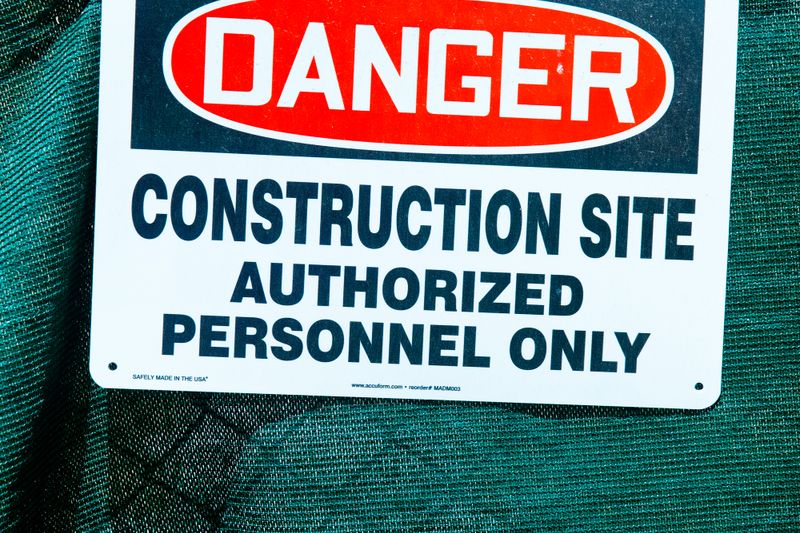
Construction managers have a responsibility to create workplaces where safety is treated as an everyday operational priority rather than a compliance exercise. Accidents can cause injuries, project interruptions, financial losses, reputational damage, and serious legal consequences.
Effective safety management begins with clear procedures. Employees and subcontractors should understand site-specific hazards, required protective equipment, emergency procedures, equipment rules, and reporting expectations.
Regular toolbox talks and safety meetings can reinforce important practices while giving workers an opportunity to raise concerns. Managers should also inspect job sites regularly rather than assuming that written policies are being followed.
Safety management should cover areas such as:
- Personal protective equipment.
- Fall prevention.
- Equipment operation.
- Electrical hazards.
- Site housekeeping.
- Material handling.
- Emergency response.
- Hazard identification and reporting.
Managers should lead by example. If supervisors ignore safety procedures to save time, workers may receive the message that production matters more than protection. Conversely, leaders who consistently follow safety requirements reinforce the idea that safe work is part of professional construction management.
A strong safety culture protects people while also supporting productivity, morale, and business continuity.
8. Use Technology to Organise the Business
Construction companies generate substantial amounts of information, including estimates, contracts, schedules, invoices, drawings, change orders, purchase orders, employee records, inspection documents, and project updates. Managing this information through scattered spreadsheets, emails, and paper files can become increasingly difficult as the business grows.
Construction management technology can bring important information into centralised systems. Depending on the company’s needs, software can support scheduling, estimating, budgeting, document management, communication, time tracking, invoicing, and project reporting.
Technology is most useful when it solves an actual operational problem. A company does not need to adopt every new platform available. Instead, managers should identify repetitive or error-prone processes and determine whether digital tools can make them easier.
For example, technology can help managers:
- Track project costs in real time.
- Share updated schedules with field teams.
- Record employee hours.
- Organise project documents.
- Monitor change orders.
- Communicate with clients and subcontractors.
- Generate performance reports.
Before implementing new technology, provide adequate training. Even the best software will have limited value if employees do not understand how or why to use it.
9. Monitor Performance and Learn From Every Project
Good construction managers do not simply complete a project and move immediately to the next one. They examine what happened, identify areas for improvement, and use those lessons to strengthen future operations.
Performance monitoring should cover more than revenue. A project can meet its sales target while still suffering from excessive rework, labour inefficiency, material waste, or poor customer communication.
Useful performance indicators may include:
- Gross and net project margins.
- Percentage of projects completed on schedule.
- Labour productivity.
- Material waste.
- Change-order frequency.
- Rework costs.
- Safety incidents.
- Customer satisfaction.
- Accounts receivable performance.
Managers should conduct a review after significant projects. Ask what went according to plan, what went wrong, which assumptions proved inaccurate, and what should be done differently next time.
This process can reveal patterns that are difficult to see during daily operations. If several projects experience similar delays because materials are ordered too late, for example, the company can change its procurement process rather than treating each delay as an isolated event.
Continuous improvement turns experience into a practical business asset.
10. Prepare the Company for Growth
Growth can be exciting, but taking on more work does not automatically make a construction company more successful. Rapid expansion can expose weaknesses in staffing, cash flow, project management, quality control, and leadership. A company should therefore build operational capacity before aggressively increasing its workload.
Managers should determine how many projects the company can realistically handle with its existing workforce, equipment, financial resources, and management structure. Taking on too much work can stretch teams beyond their capacity and ultimately damage quality and customer relationships.
Growth planning should consider:
- Whether additional project managers are needed.
- Whether current supervisors can handle more crews.
- Whether cash flow can support larger project volumes.
- Whether suppliers can meet increased demand.
- Whether administrative systems can handle additional paperwork.
- Whether the company has sufficient equipment and technology.
- Whether quality and safety standards can be maintained.
Delegation becomes increasingly important as a construction company grows. Owners who continue managing every project detail can eventually limit the company’s capacity. Developing trusted leaders allows the business to expand without making the owner responsible for every operational decision.
Sustainable growth means increasing capacity without sacrificing the standards that built the company’s reputation in the first place.
What Are the Biggest Management Mistakes to Avoid?
Even experienced construction professionals can fall into management habits that create unnecessary problems. Many issues are not caused by a lack of technical knowledge but by weak systems, poor communication, or failure to plan for predictable challenges.
Common mistakes include:
- Underestimating costs: Aggressive estimates may win projects but can create serious financial problems when actual expenses exceed expectations.
- Accepting unrealistic deadlines: Promising completion dates without considering project dependencies can put unnecessary pressure on the entire team.
- Failing to document changes: Verbal agreements can lead to disputes when clients and contractors remember the scope differently.
- Ignoring cash flow: A profitable project can still create financial strain if payments arrive later than expenses.
- Micromanaging employees: Requiring owners to approve every decision can slow projects and prevent managers from developing leadership skills.
- Choosing subcontractors solely on price: The cheapest bid may become expensive if poor performance causes delays or rework.
- Treating safety as an afterthought: A strong safety culture must be built into daily operations rather than addressed only after an incident.
- Failing to review completed projects: Without analysing results, companies may repeat the same mistakes across multiple jobs.
Avoiding these problems requires systems that make good practices routine. The goal is not to eliminate every challenge—construction will always involve uncertainty—but to ensure the business can respond to challenges quickly and effectively.
How Can Construction Company Owners Become Better Managers?
Managing a construction company requires a combination of business knowledge, leadership, communication, financial discipline, and practical industry experience. Owners do not need to handle every task personally. In fact, one of the most important management skills is knowing when to delegate and when to bring in specialised expertise.
Successful managers create systems that allow employees to perform their responsibilities confidently. They establish expectations, measure results, communicate consistently, and address problems before they become expensive.
It is also important to keep learning. Construction practices, technology, regulations, materials, client expectations, and workforce challenges continue to evolve. Managers who invest in professional development and remain open to better ways of working are more likely to keep their companies competitive.
Most importantly, management should be proactive. Instead of constantly responding to emergencies, leaders should spend time identifying potential problems, improving processes, developing people, and planning for future projects.
Conclusion
Learning how to manage a construction company effectively is an ongoing process rather than a one-time achievement. Strong businesses are built on disciplined financial management, reliable teams, realistic schedules, effective communication, dependable partners, consistent safety practices, useful technology, and continuous improvement.
The best construction company managers understand that every project is an opportunity to strengthen the business. By setting clear goals, monitoring performance, preparing for growth, and creating systems that support employees, owners can improve both project outcomes and long-term profitability.
Construction will always involve uncertainty, but effective management makes that uncertainty easier to control. With the right strategies in place, a construction company can deliver better projects, build stronger client relationships, support its workforce, and create a foundation for sustainable growth.